

Welcome to Osteria al Coniglio Bianco
For over 20 years, nestled in the historic heart of Milan on the charming banks of the Naviglio Grande,
we have been a landmark for those seeking to immerse themselves in the culinary traditions of Milan.
For more than two decades, our extended family has welcomed guests with unwavering passion and dedication, ensuring a truly unique dining experience.
Our Cuisine
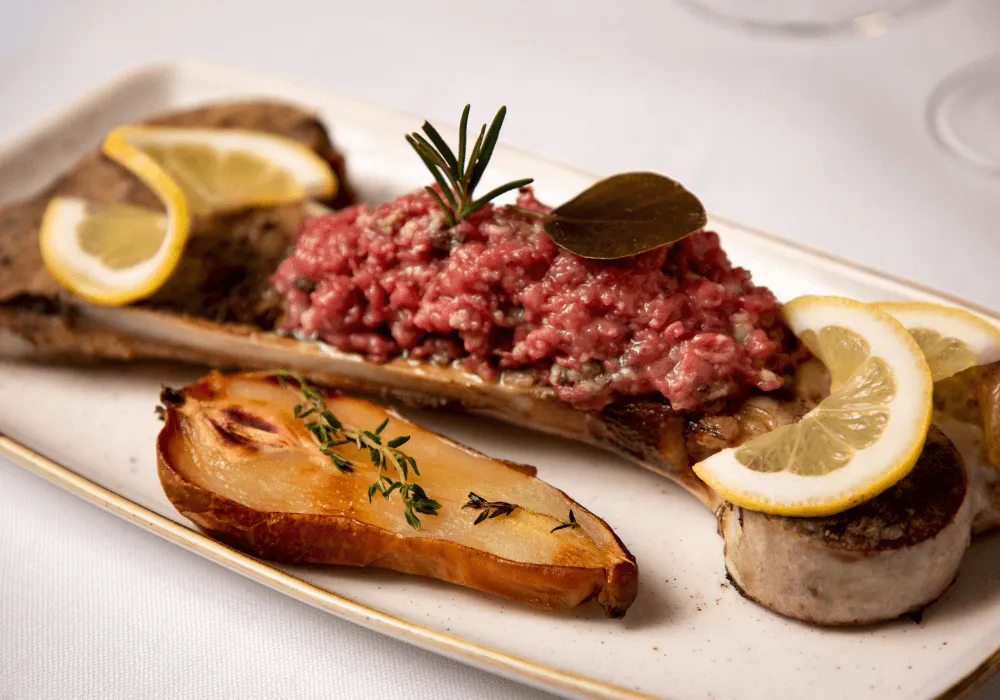
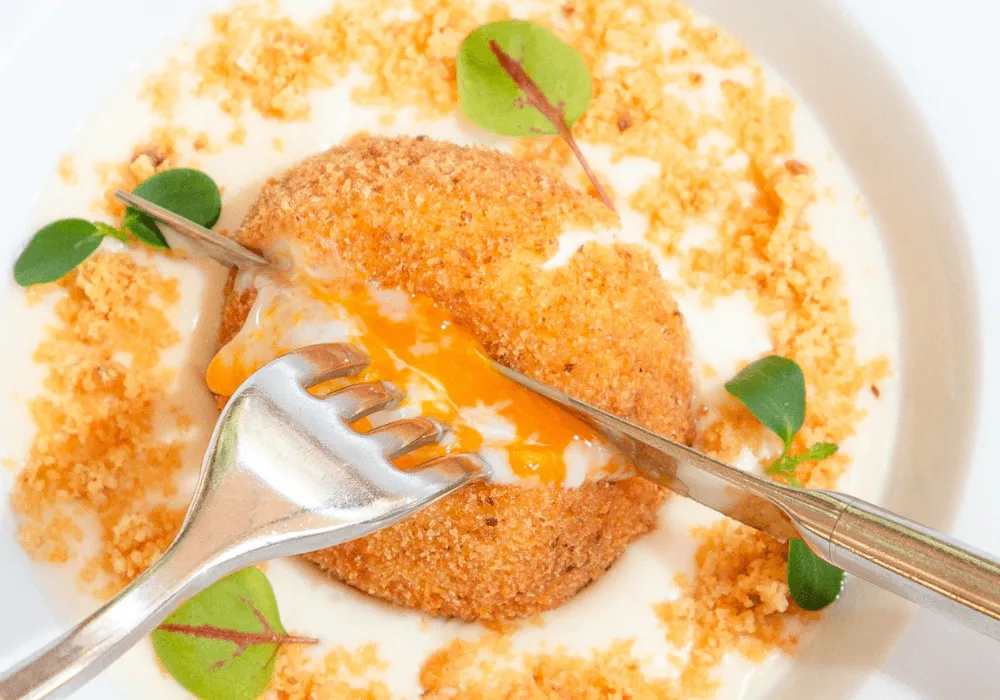
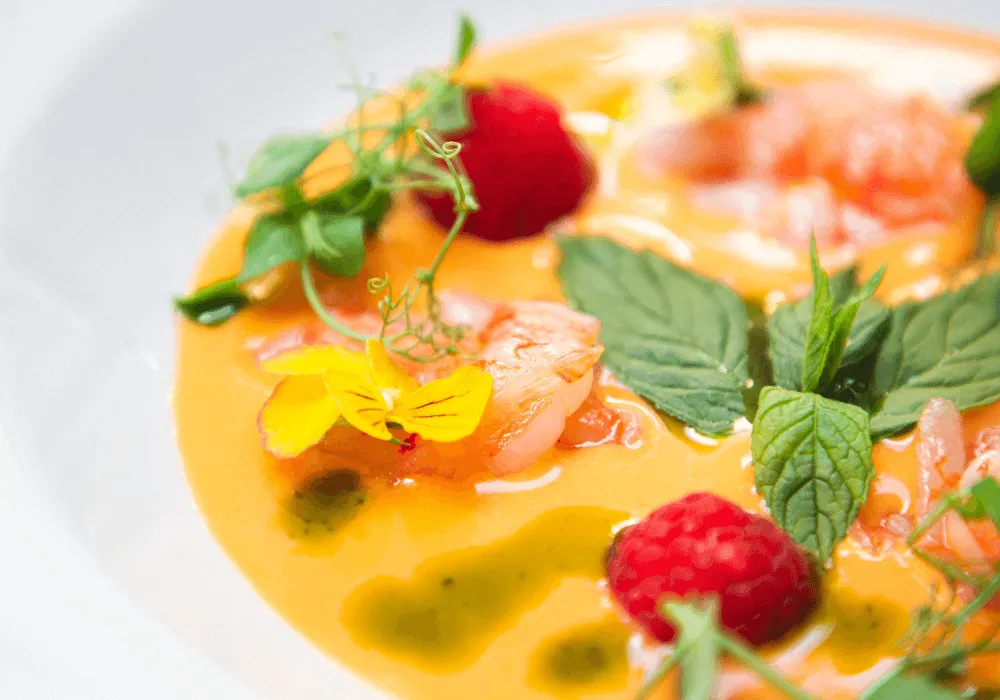
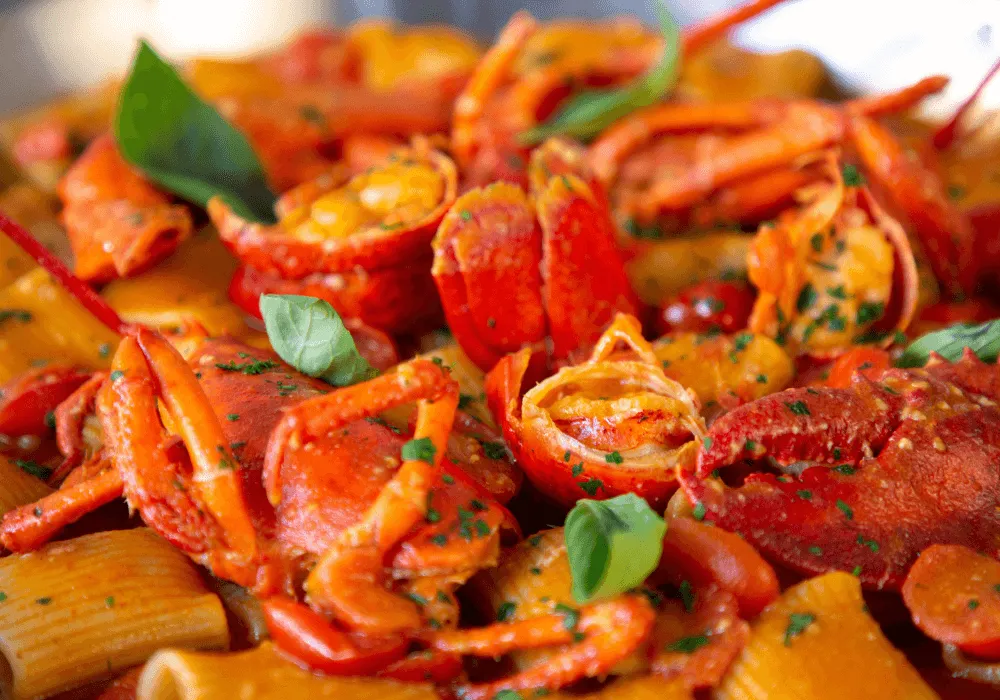
Our passion for tradition is reflected in the dishes we offer, crafted with high-quality ingredients and inspired by the authentic recipes of Milanese cuisine. Each dish is prepared with care and precision, honoring the flavors and techniques that have made our region's culinary heritage renowned.
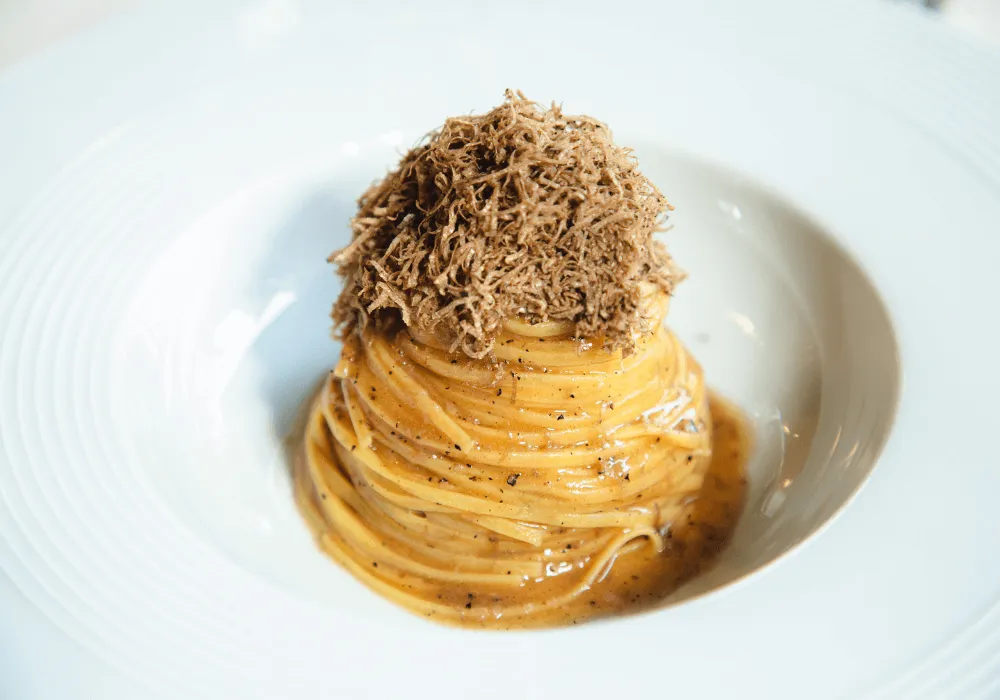
Alongside Milanese classics, our menu features a selection of seasonal dishes, bringing freshness and creativity to your table.
Our cuisine is a journey through past and present, where tradition meets innovation to offer you a unique gastronomic experience.
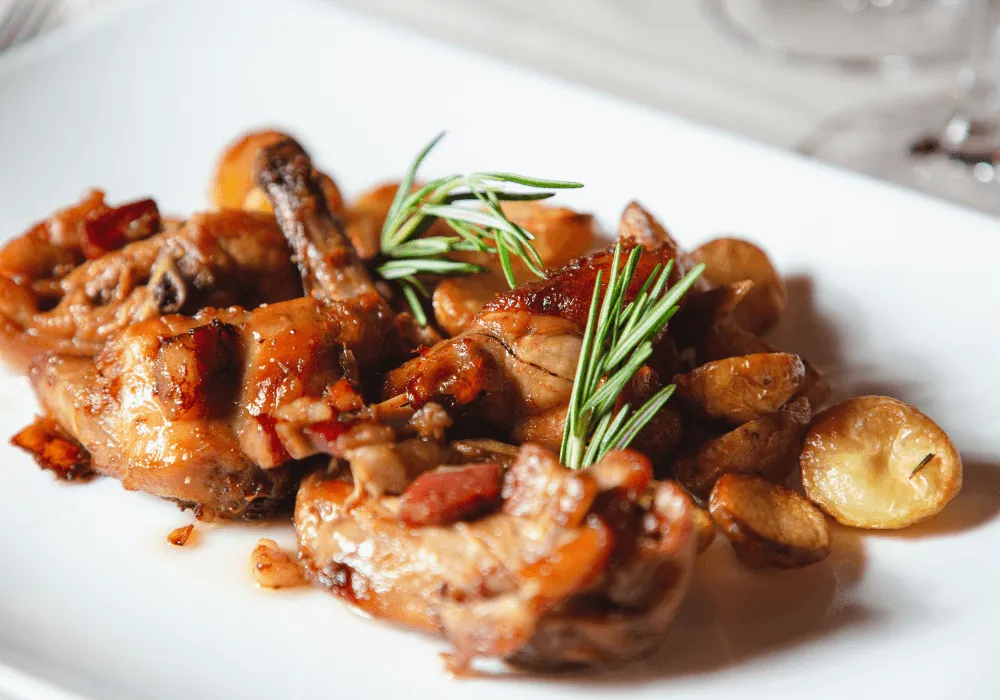
Alongside Milanese classics, our menu features a selection of seasonal dishes, bringing freshness and creativity to your table.
Our cuisine is a journey through past and present, where tradition meets innovation to offer you a unique gastronomic experience.
Our Wine Selection
To complete your dining experience, we offer a wine cellar featuring over 600 carefully selected labels, perfectly paired to complement every dish.
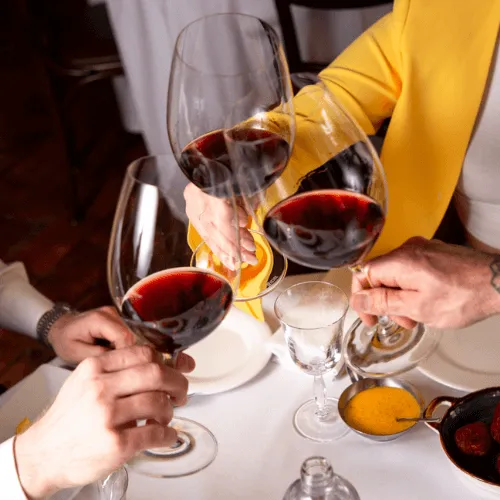
Our selection includes a wide range of champagnes and wines from across Italy.
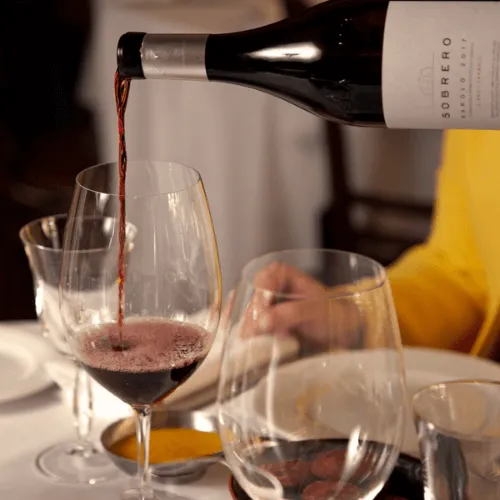
Our continuous pursuit of excellence and commitment to quality allow us to offer you only the finest selections from renowned wineries.
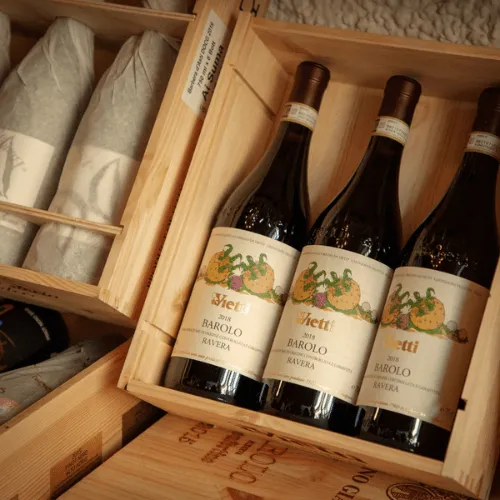
From Italian excellence to international wines, our curated selection will surprise and delight you.
A Family Business
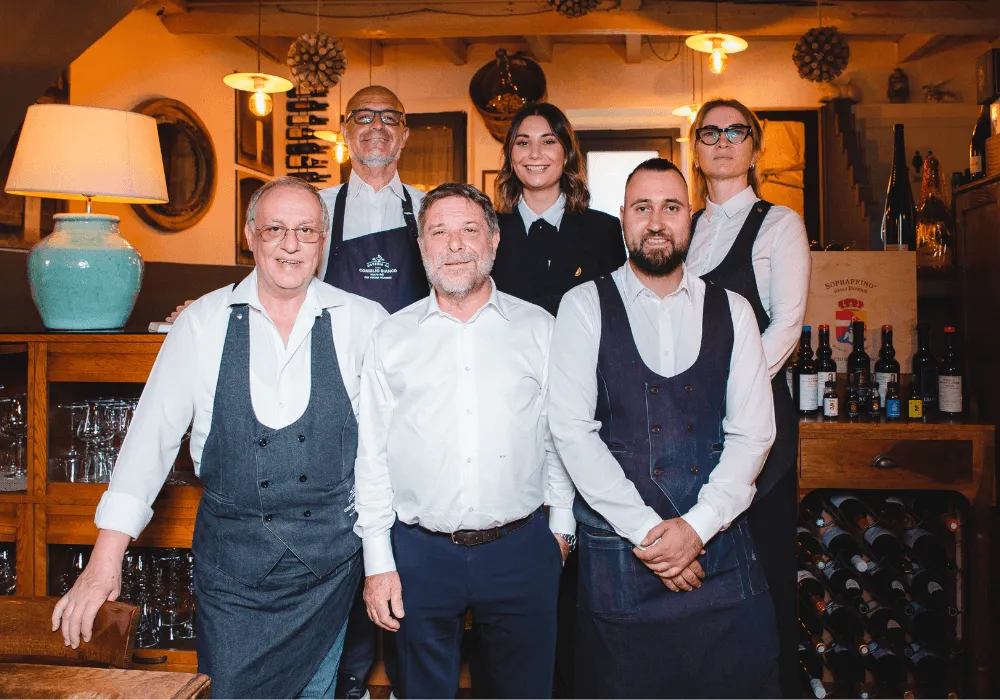
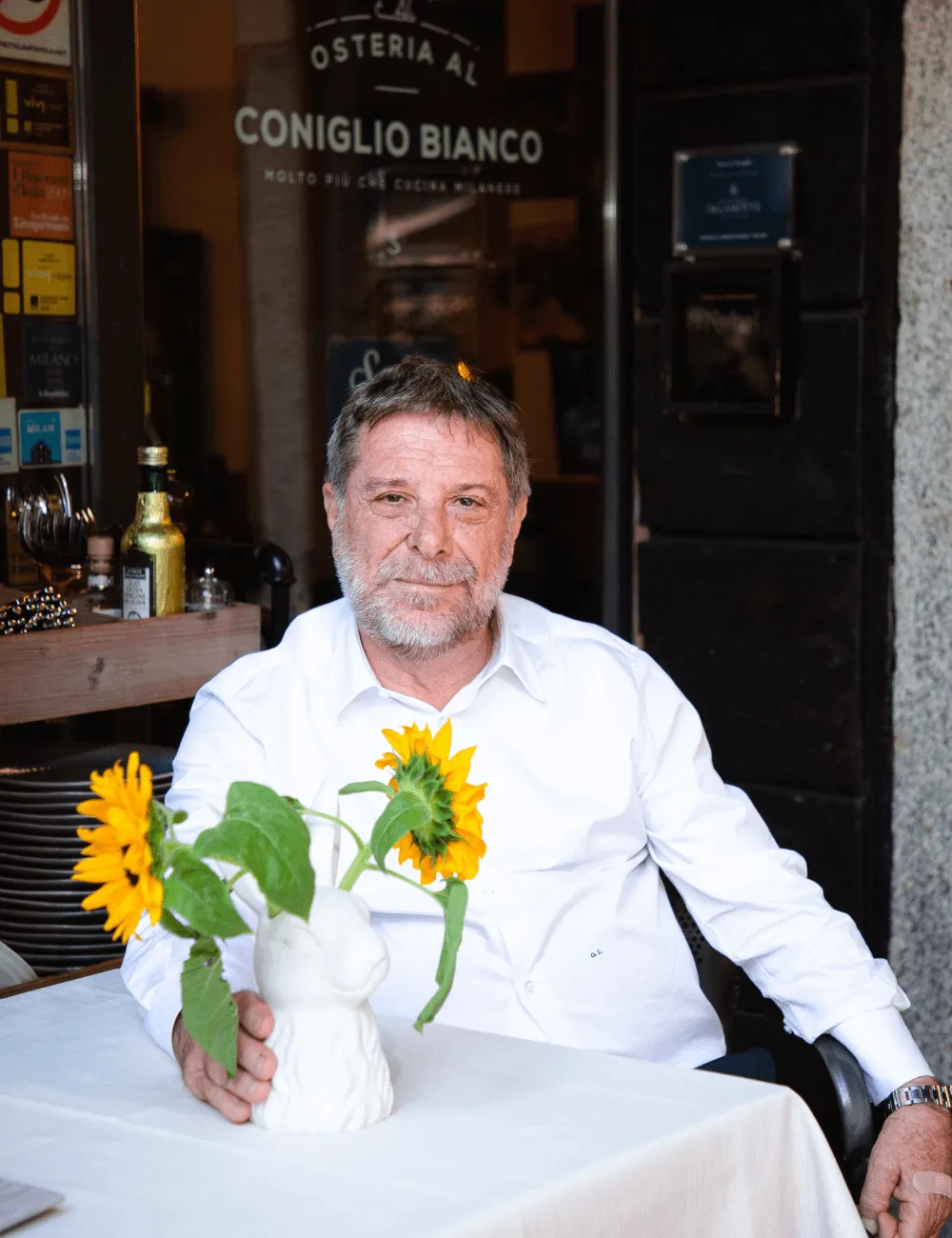
Osteria al Coniglio Bianco is passionately run by Giampiero and his daughter Giorgia, who has inherited his determination and love for this craft.
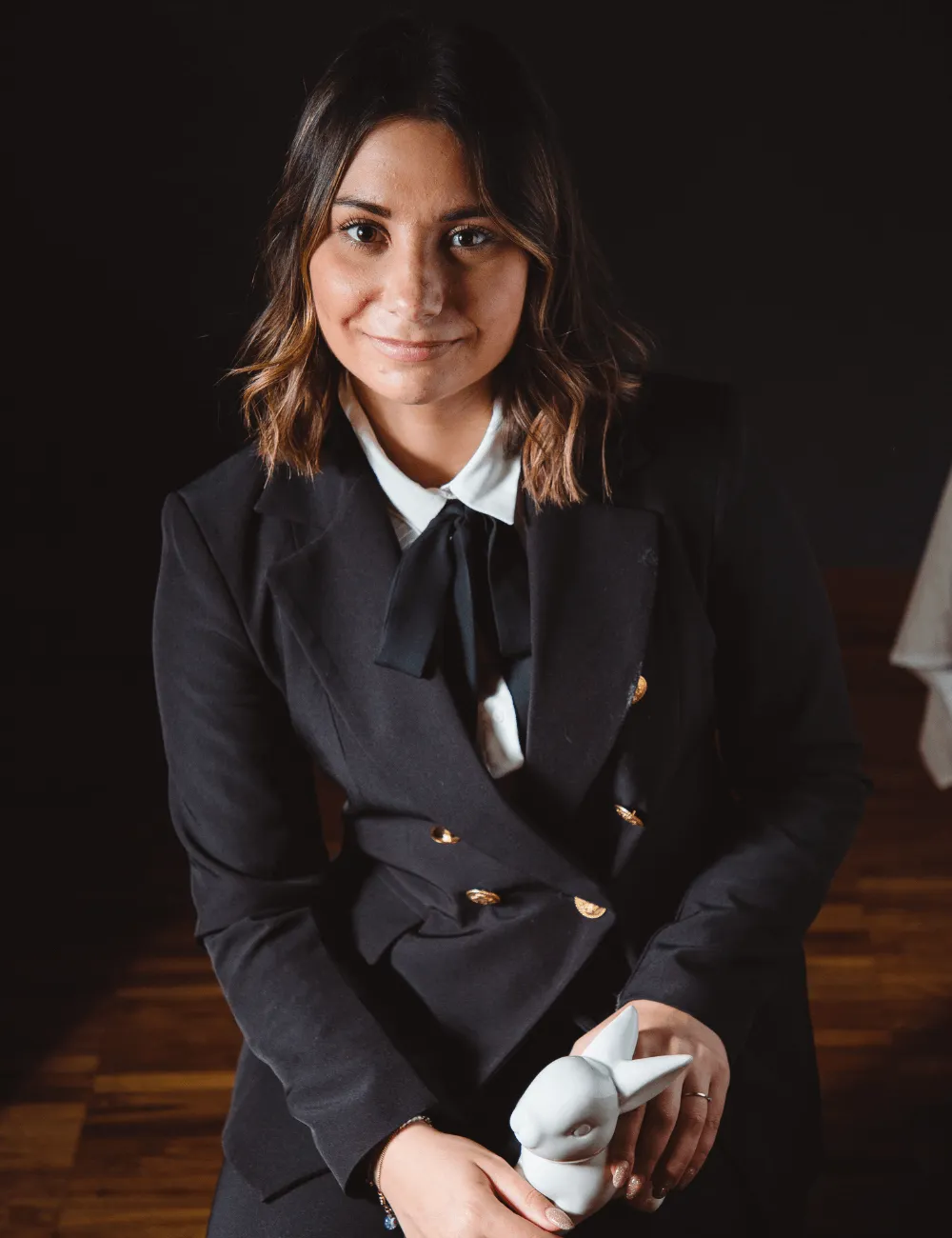
Our trusted staff, who have been with us since day one, will always greet you with a smile and make you feel at home.
When you return, you'll find familiar faces ready to welcome you as if you had never left.
Our Team
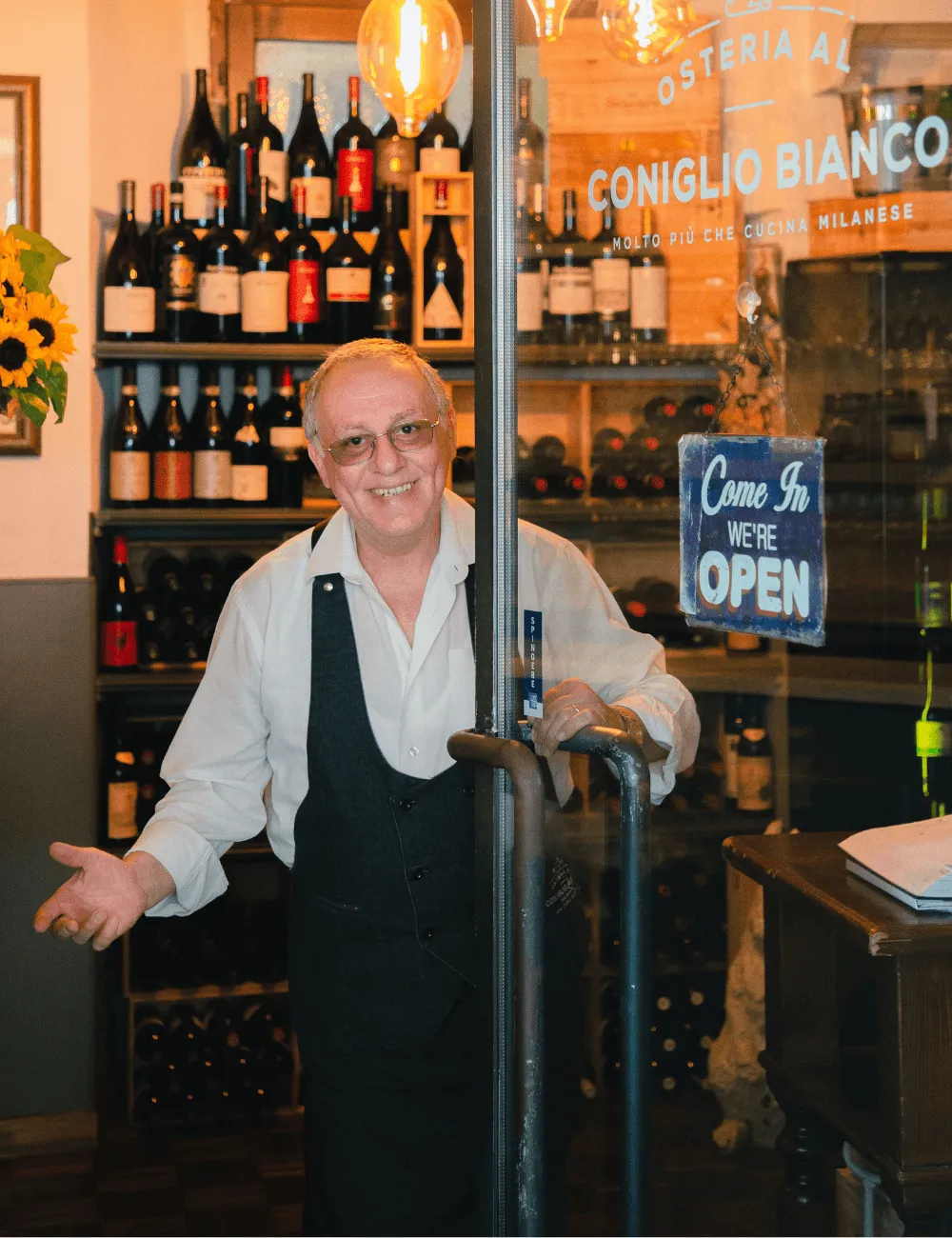
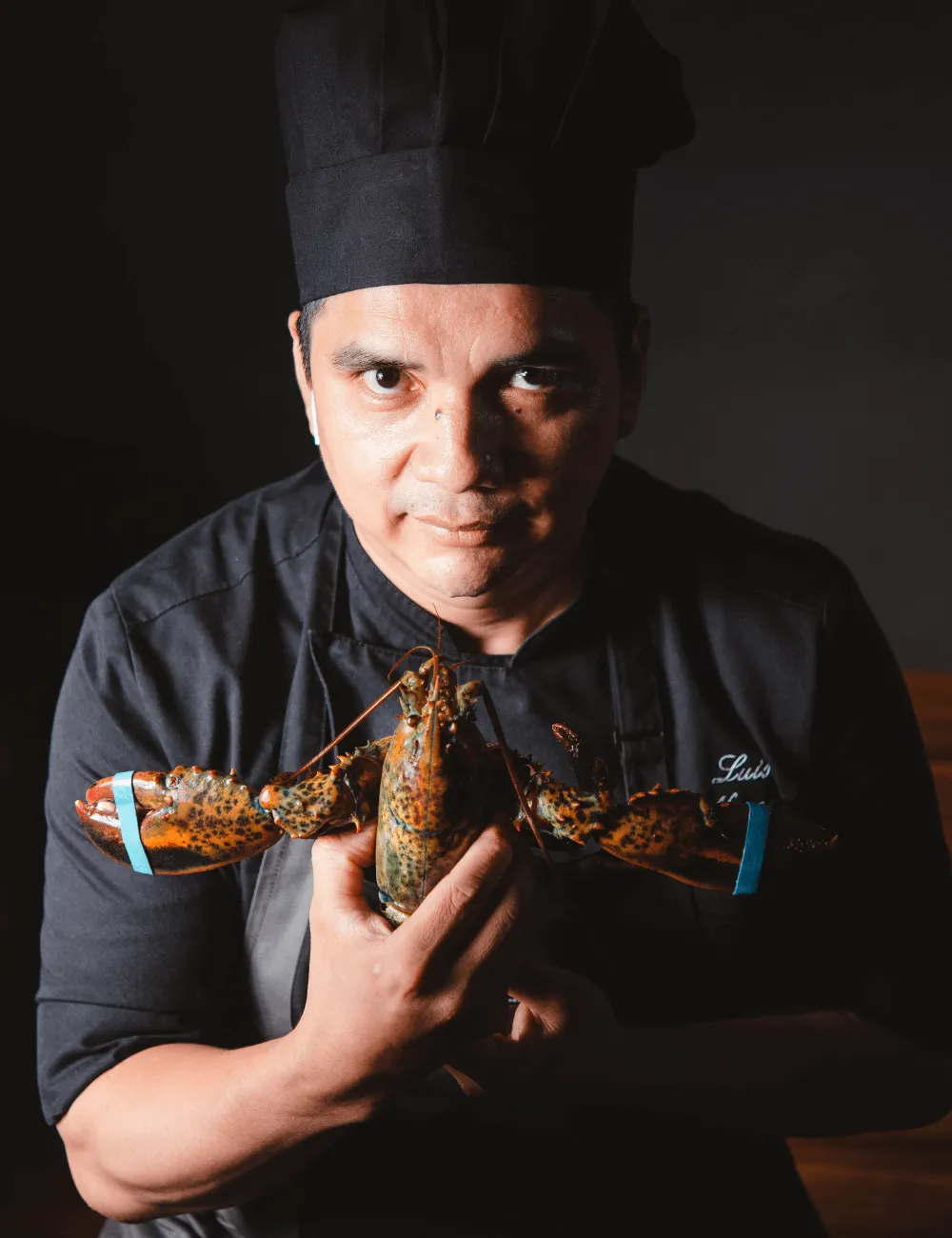
Luis Novoa, our chef, has been embraced by Milan and reciprocates the city with his extraordinary passion for Milanese cuisine, enriched by influences from all over Italy.
Giulio, an tireless host and a decade-long presence, alongside Stefano with his ponytail, always attentive and courteous, represents the beating heart of our osteria.
Fabio, with his warm greeting of "Madame e Monsieur," conveys the respect and friendliness essential to our service.
Maka, always caring and attentive, ensures that nothing is ever missing from our guests' tables, completing the familial atmosphere that sets us apart.
Our Location
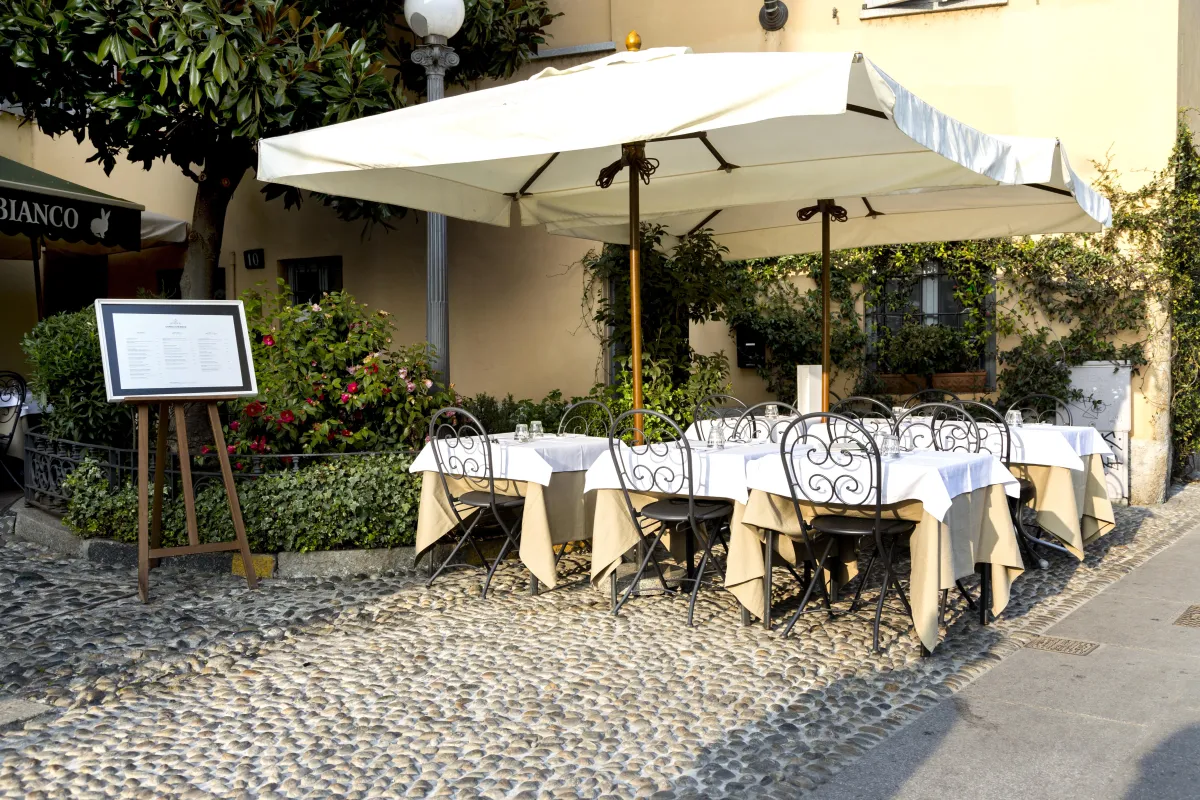
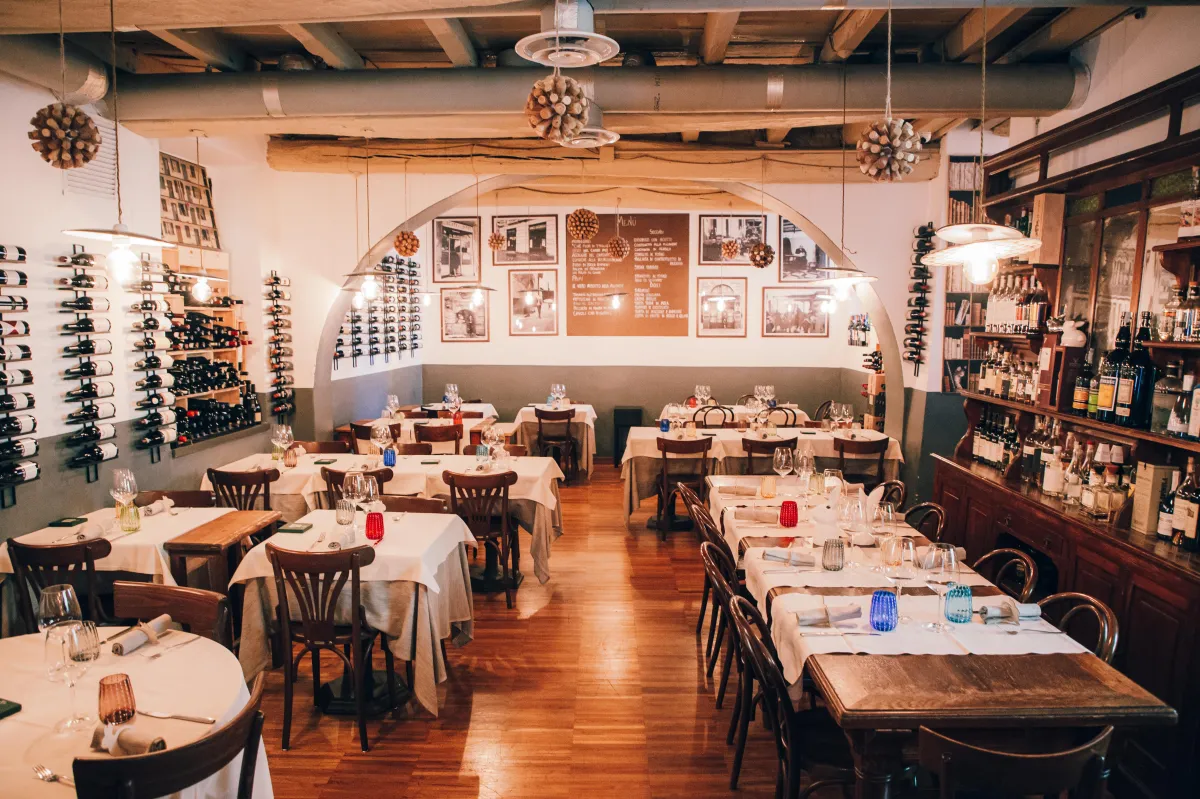
Our venue is a small and cozy corner nestled in the heart of Milan, featuring typical elements of a traditional Milanese osteria.
The walls are adorned with photos of old osterias, capturing the essence and history of Milanese tradition.
The family-friendly and intimate atmosphere of our restaurant will make you feel at home, turning every visit into a special moment.
La Nostra Location
Il nostro locale è un piccolo e accogliente angolo immerso nel cuore di Milano, con tratti tipici da osteria milanese.
Le pareti sono adornate con foto di vecchie osterie, che racchiudono l'essenza e la storia della tradizione milanese.
L'atmosfera familiare e intima del nostro ristorante vi farà sentire come a casa, rendendo ogni visita un momento speciale.
The Naviglio Grande
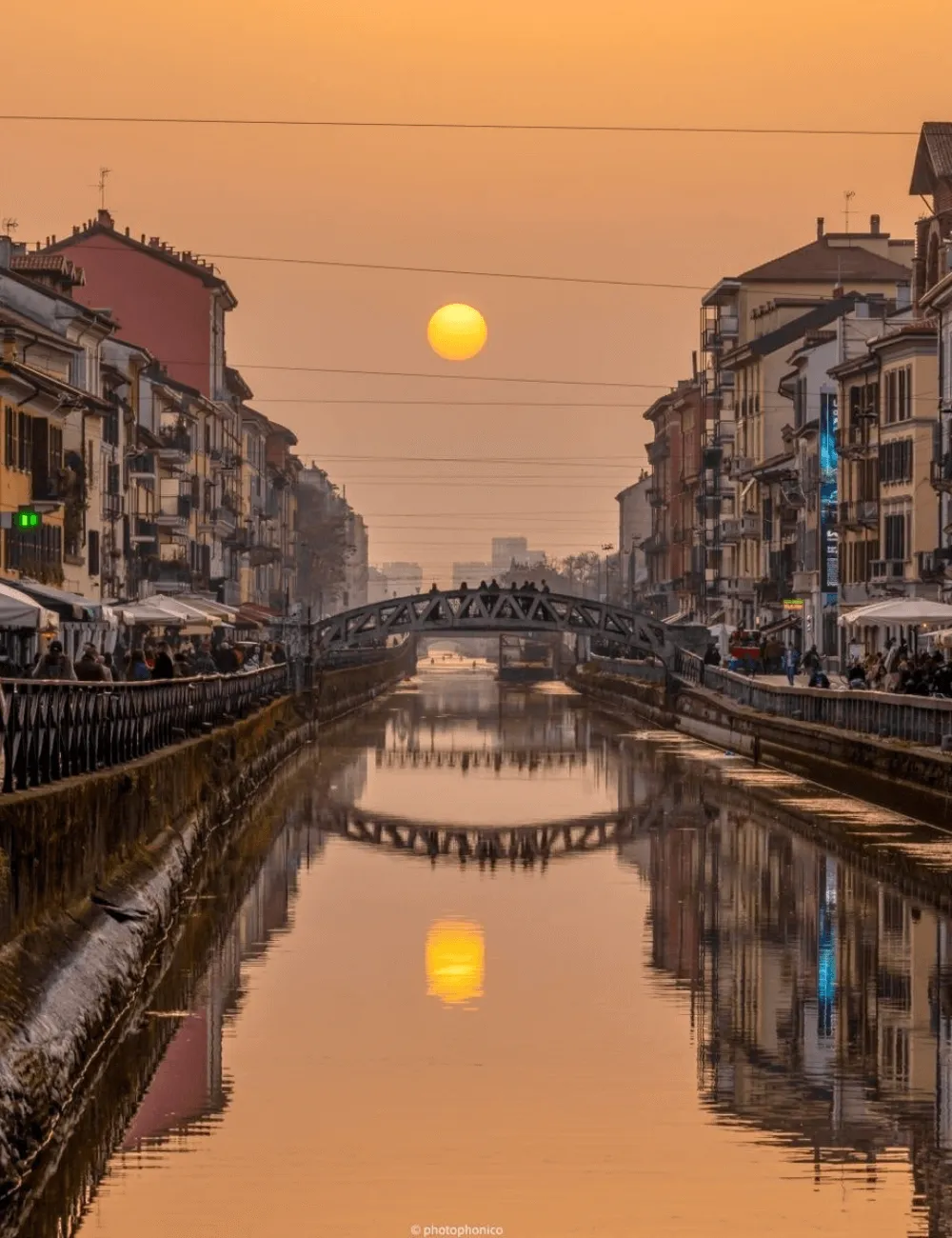
At the end of the 15th century, during his service at the court of Ludovico il Moro, Leonardo da Vinci devised an innovative canal system, transforming Milan into a prosperous and lively city of waterways.
Until the late 1920s, the city retained this character, despite the municipality's decision to bury most of the canals to comply with new hygiene and urban planning regulations.
From this transformation, the Cerchia dei Navigli was born. Today, only the Naviglio Grande, Naviglio Pavese, and Naviglio della Martesana remain of the ancient system.
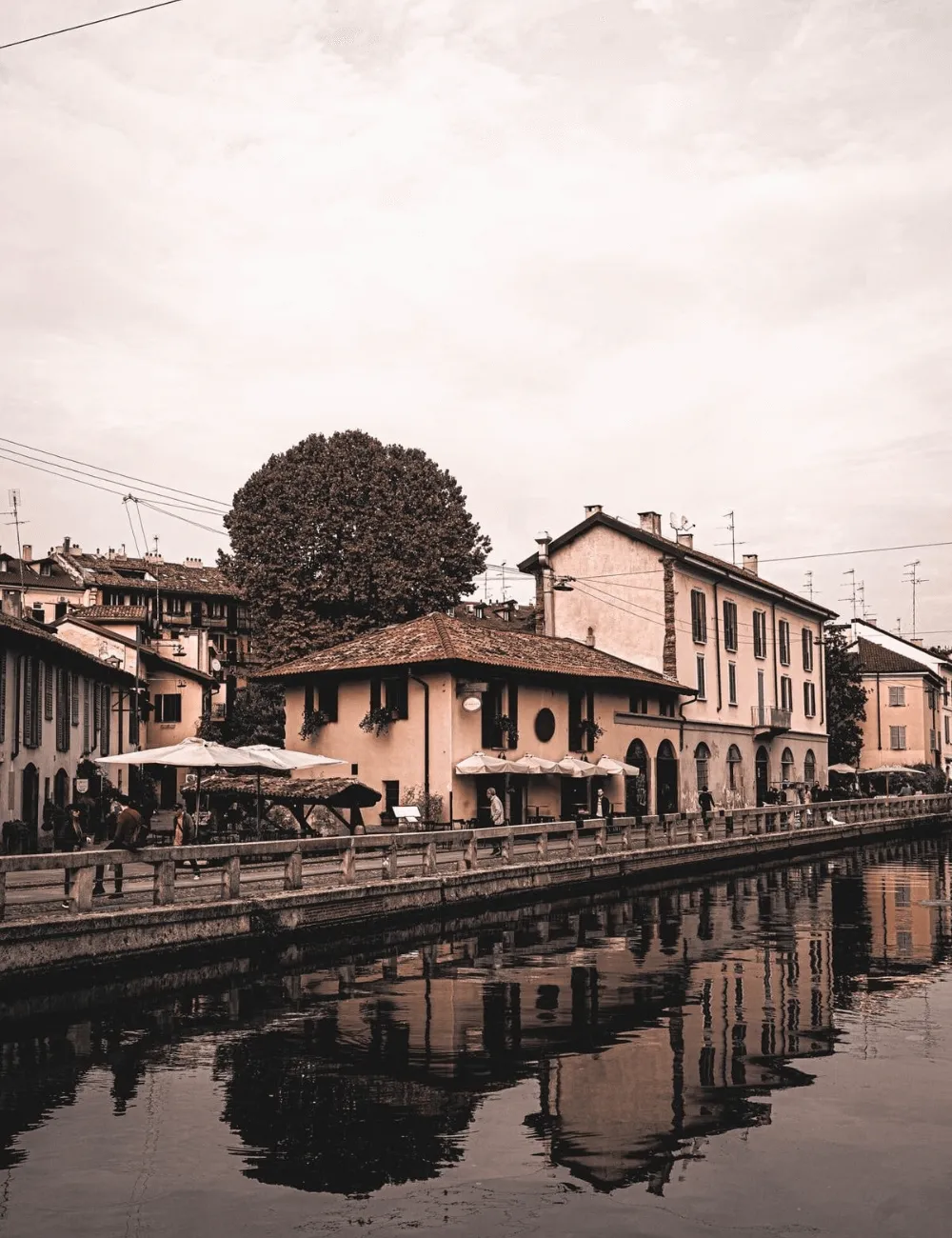
During the day, the Naviglio Grande is a peaceful area frequented by workers, passersby, and tourists exploring antique shops and local boutiques.
However, in the evening, the banks come to life: both sides fill with tables, creating a large open-air venue, ready to welcome a great number of visitors.
Another historic spot is the Vicolo dei Lavandai, one of the most picturesque corners of Milan.
This peaceful corner by the Naviglio Grande retains the charm of old Milan, with a laundromat from the early 1900s.
The name originates from its historical use as a washhouse, which was in operation until the late 1950s.
In the 19th century, men were responsible for the washing, and the name is dedicated to the washermen, honoring a Milanese history rich in traditions.
Come Visit Us!
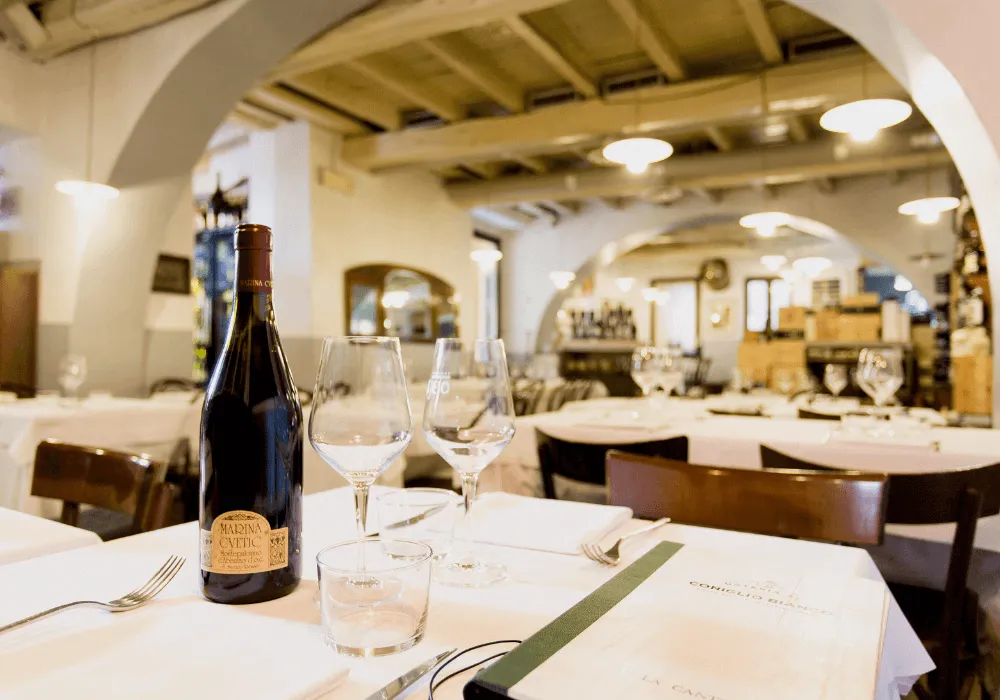
Whether you're looking for a spot for a romantic dinner, a family lunch, or an evening with friends, Osteria al Coniglio Bianco is the perfect choice.
We look forward to welcoming you on the Naviglio Grande to let you experience the authentic flavors of our cuisine and the warm hospitality of our staff.
Reservations for groups of 10 or more?
For groups of 10 or more, reservations can be made by sending an email with the details to the following address:
info@alconigliobianco.it